From Grandma's Remedy to Clinical Trial: How Modern Science Validated Indian Spice Medicine
This is not a wholesaler's sales pitch or a list of products you should buy. This is a health and wellness deep-dive into the pharmacology of six compounds — curcumin, eugenol, cineole, cinnamaldehyde, piperine, and crocin — that happen to exist in the spices already sitting in your kitchen dabba. We reviewed clinical trials from the Journal of Medicinal Food, Phytotherapy Research, and the Indian Journal of Pharmaceutical Sciences to compile the dosage, mechanism, and therapeutic evidence for each spice. Whether you are a home cook curious about the healing power of everyday masalas, or a wellness practitioner looking for evidence-based protocols, this guide bridges Ayurvedic tradition and modern pharmacology.
At Chau Foods, we source our spices from the best growing regions in India — Kerala cardamom, Kashmir saffron, and premium whole spices with no additives or mixing.
6 Indian Spices with Proven Health Benefits
1. Turmeric (Haldi) — The Golden Healer 💛
Active compound: Curcumin
Proven benefits:
How to use: Always combine with black pepper (piperine increases curcumin absorption by 2,000%) and a healthy fat source.
Golden Milk Recipe: Warm milk + ½ tsp turmeric + pinch black pepper + 1 tsp honey
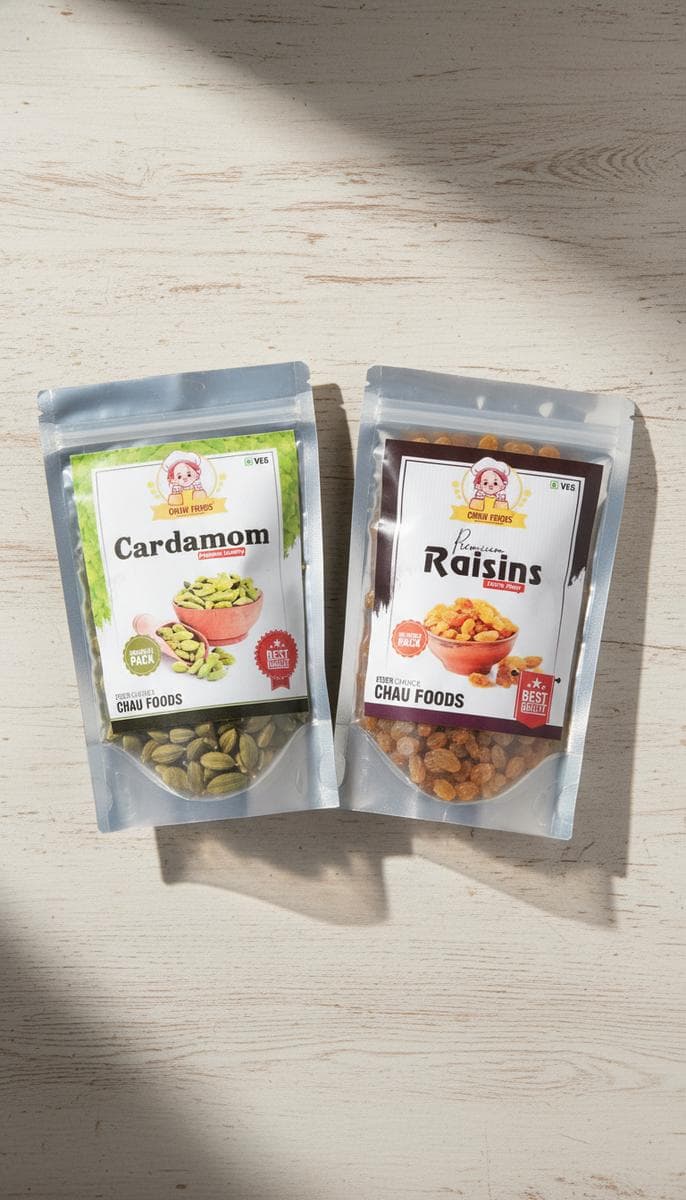
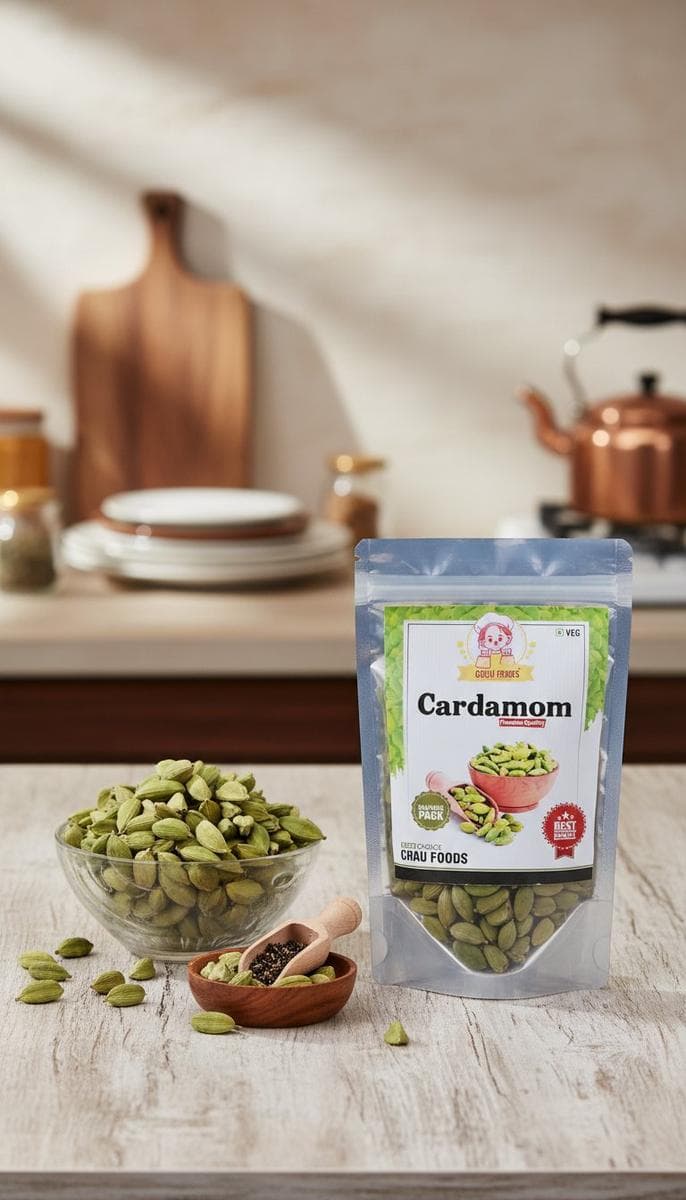
2. Cardamom (Elaichi) — The Digestive King 💚
Active compounds: Cineole, limonene, terpinene
Proven benefits:
How to use: Chew 1-2 pods of Kerala green cardamom after meals for digestion. Add to tea, kheer, and biryani.
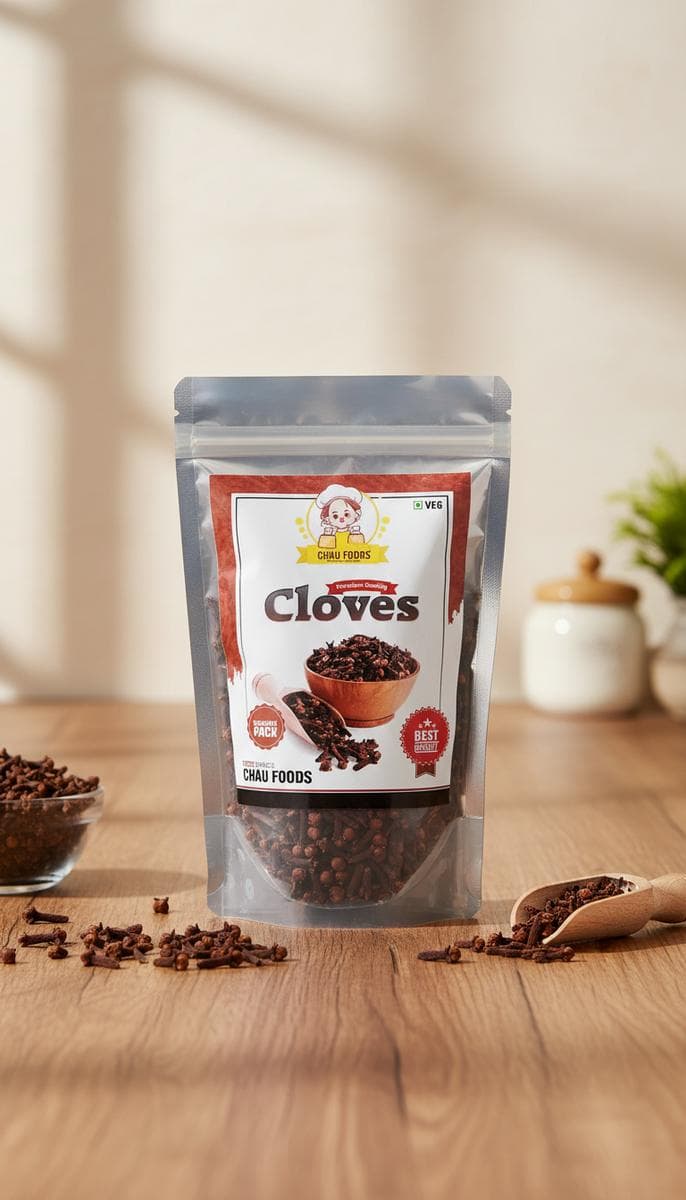
3. Cloves (Laung) — The Natural Pain Reliever 🌸
Active compound: Eugenol
Proven benefits:
How to use: Clove oil for toothache. Add 2-3 of our premium whole cloves (laung) to chai for flavor and health benefits.
4. Cinnamon (Dalchini) — The Blood Sugar Balancer 🟤
Active compound: Cinnamaldehyde
Proven benefits:
How to use: Add ½ tsp to morning oatmeal, coffee, or smoothie. Use cinnamon sticks in biryani and curries.
5. Black Pepper (Kali Mirch) — The Bioavailability Booster ⚫
Active compound: Piperine
Proven benefits:
How to use: Add freshly ground black pepper to everything! Especially important with turmeric dishes.
6. Saffron (Kesar) — The Mood Lifter 🧡
Active compounds: Crocin, safranal, crocetin
Proven benefits:
How to use: Soak 4-5 strands in warm milk. Add to biryani, kheer, and desserts. Just a pinch goes a long way!
5 Simple Home Remedy Recipes
How to Test Spice Purity at Home (5 Simple Tests)
Spice adulteration is rampant in India — FSSAI's own surveillance data shows that turmeric, chilli powder, and coriander are the most commonly adulterated spices. Before you trust any brand, try these kitchen tests:
Turmeric purity test: Mix 1 tsp turmeric powder in a glass of warm water. Pure turmeric settles at the bottom leaving clear yellow water. Adulterated turmeric (mixed with metanil yellow dye) turns the water a bright, unnaturally vivid yellow and doesn't settle cleanly.
Cardamom freshness test: Crush a pod between your fingers. Fresh Kerala cardamom releases an intense eucalyptus-mint aroma instantly and the seeds inside are dark brown-black and slightly sticky. Old or Guatemala-origin cardamom has a milder, less pungent smell and dry, pale seeds.
Cloves quality test: Drop a clove in water. Premium cloves sink vertically (stem up, bud down) because they're heavy with essential oils. Low-quality or spent cloves (already had their oil extracted) float horizontally on the surface.
Black pepper test: Bite a peppercorn. Genuine Tellicherry or Malabar pepper has a sharp, lingering heat that builds. Papaya seed adulteration (common in loose markets) gives a bitter, flat taste with no heat.
Saffron test: Place 2-3 strands in warm milk. Real Kashmiri or Iranian saffron slowly releases colour over 10-15 minutes, turning the milk golden. Fake saffron (dyed corn silk) releases colour immediately and turns the milk red, not golden.
For premium, lab-tested spices with certificate of analysis, browse our spice collection — FSSAI certified, sourced from Kerala, Kashmir, and Madagascar.
Spice Synergies — Combinations That Multiply Benefits
The magic of traditional Indian cooking isn't just in individual spices — it's in how they work together. When certain spices combine, they create synergistic effects where 1 + 1 = 3. Here's what the science says:
Turmeric + Black Pepper (The Power Couple)
This is the foundation of ancient Ayurvedic medicine. Curcumin (turmeric's active compound) has low bioavailability — your body absorbs only 3-5% on its own. Add black pepper's piperine, and absorption skyrockets to 2,000% increase in just 15-30 minutes.
Best used in: Golden milk, curry bases, rice dishes. Always grind together or add pepper within 5 minutes of cooking turmeric to lock in the benefit.
Cinnamon + Cardamom (The Digestive Duo)
Cinnamon tackles blood sugar; cardamom soothes the GI tract. Together they create a balanced energy boost without the sugar crash. Cardamom's oils help mask cinnamon's potential to irritate sensitive stomachs.
Best used in: Morning chai, oatmeal, smoothie bowls, biryani. Use fresh Kerala green cardamom pods crushed with cinnamon sticks for maximum potency.
Cloves + Black Pepper (The Antimicrobial Shield)
Both are warming spices with eugenol and piperine respectively. Together they create a synergistic antibacterial and antiviral effect, making this combination ideal during cold season. Cloves calm inflammation; pepper enhances absorption.
Best used in: Chai masala, soups, broths. Add 2-3 whole premium cloves + freshly ground black pepper to warm water for a quick immune boost.
Turmeric + Ginger + Black Pepper (The Anti-Inflammatory Trinity)
Add ginger to the turmeric-pepper combo and you get three complementary anti-inflammatory pathways. Ginger blocks inflammatory compounds independently while enhancing curcumin absorption further.
Best used in: Turmeric lattes, soups, curries. This is the traditional formula for joint pain and arthritis relief.
---
Ayurvedic Perspective: Spices for Your Body Type (Dosha)
Ayurveda teaches that not all spices suit all people. Your constitution (dosha) — Vata, Pitta, or Kapha — determines which spices will balance your energy and which might aggravate you.
For Vata Types (Air/Ether — Dry, Cold, Mobile)
Vata needs warming, grounding spices to anchor their naturally scattered energy.
For Pitta Types (Fire/Water — Hot, Sharp, Intense)
Pitta needs cooling spices to temper their natural heat and intensity.
For Kapha Types (Earth/Water — Heavy, Cool, Stable)
Kapha needs stimulating, heating spices to energize their naturally slow digestion.
Note: This is introductory Ayurvedic guidance. Consult an Ayurvedic practitioner for your specific constitution.
---
How to Store Spices to Preserve Potency
A spice is only as good as its volatile oil content — and those oils evaporate. Here's how to maximize shelf life and maintain medicinal potency:
Whole Spices vs. Ground
Whole spices win every time. Ground spices lose 30-50% of potency within 6 months. Whole spices retain their essential oils for 2-3 years if stored properly.
Storage Containers
Storage Environment
Shelf Life at a Glance
Signs Your Spice Has Lost Potency
---
Daily Spice Routine for Maximum Health
Here's how to weave these 6 spices into your routine for cumulative, daily health benefits:
Morning (Energize & Boost Digestion)
Midday (Sustain Energy)
Evening (Support Digestion & Prepare for Sleep)
Bedtime (Relax & Recovery)
Weekly Integration
Pro tip: The key to spice benefits is consistency, not quantity. Small amounts daily are more effective than occasional large doses. Your body's healing compounds accumulate with daily use.
About the Author
Chau Foods Editorial Team
This guide is written and fact-checked by the Chau Foods editorial team — a small group of FSSAI-certified food specialists based in Rohini, Delhi. Led by founder Mohit, the team combines direct farm-sourcing experience (California almonds, Bihar makhana from Darbhanga & Madhubani, Kashmir walnuts, Kerala spices) with hands-on quality control at the Chau Foods packing facility. We publish only what we would feed our own families, cite Indian nutrition data where relevant, and refresh every article when sourcing, pricing, or health guidelines change.
- Credentials
- FSSAI Lic. 13321008000704
- Based in
- Rohini, Delhi · since 2020
- Rating
- 4.9/5 · 27+ Google reviews
Keep Exploring
Shop related collections and next steps
Use this guide to compare options, then move directly into the most relevant collection, brand story, or bulk-order path.
Spices Collection
Shop whole spices chosen for fresher aroma, cleaner flavour, and pantry reliability.
Shop the collectionWhy Chau Foods
Learn more about our sourcing, freshness standards, and the quality promises behind each product we ship.
Read our storyBulk & gifting help
Need larger quantities, office snacks, festive gifting, or repeat ordering support? Start with our bulk orders page.
Start a bulk enquiry